
























What's Happening?

Loading...

Daily Tasks
Complete your daily tasks and earn points!
Log In
Log in to access daily tasks
YYY
LANGFY TV
Videolar yükleniyor...
Introduction to Numbers
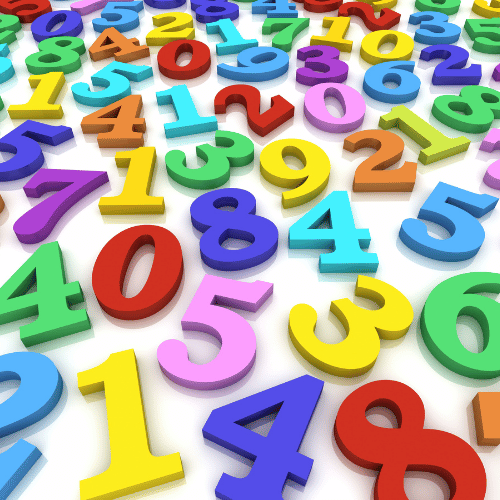
Understanding numbers is a fundamental skill for beginners. This topic sets the foundation for basic counting and mathematics. It is crucial for daily life and communication.
This content was published on 7 Maret 2026. Content viewed 188 times.
Introduction to Numbers

Learning numbers is one of the first steps in language acquisition. It helps learners to count, understand quantities, and perform basic arithmetic operations. Knowing numbers is essential for everyday tasks like shopping, telling time, and measuring.

In many contexts, numbers are used in various situations such as making purchases or explaining ages. For example, when someone asks your age, knowing numbers will allow you to respond correctly. This skill is not just limited to math but is also vital in daily conversations.

Grasping numbers enhances cognitive skills, fostering mathematical thinking and problem-solving abilities. Learning to count can improve students' confidence in handling real-world situations involving quantities, such as cooking and shopping.

In educational settings, being familiar with numbers provides a solid base for understanding more complex concepts in mathematics. It is also a stepping stone to learning about arithmetic, which is the next logical progression.

Engaging with numbers further promotes daily practice. Try to count items around you, or practice saying and writing numbers regularly!


Cards
one

One is the first number in counting. It represents a single unit or a single item.

two

Two follows one and means a pair or double of something.

three

Three is the number after two. It can show a group of three items.

four

Four comes after three and often serves as a base number.

five

Five is used for grouping because it is a common number in various contexts.

six

Six is the number after five and commonly used in games and counting.

seven

Seven follows six and is often associated with luck or completeness.

eight

Eight is after seven. It can represent a full set of something.

nine

Nine comes after eight and indicates more than eight.

ten

Ten is a round number often used in counting and grouping.

eleven

Eleven is one more than ten, a stepping stone into teens.

twelve

Twelve is two groups of six, often used in a dozen.

thirteen

Thirteen is the first odd number of the teens group.

fourteen

Fourteen is more than thirteen and less than fifteen.

fifteen

Fifteen is the number after fourteen, important for counting weeks.

sixteen

Sixteen represents a larger group, often used in age contexts.

seventeen

Seventeen is a number that is quite often used in education.

eighteen

Eighteen is often associated with coming of age in many cultures.

nineteen

Nineteen is often referred to as the end of the teens.

twenty

Twenty marks the transition into the twenties in counting.

Introduction to Numbers
Understanding numbers is a fundamental skill for beginners. This topic sets the foundation for basic counting and mathematics. It is crucial for daily life and communication.
Introduction to Numbers
This content was published on 7 Maret 2026. Content viewed 188 times.
Save